Yamaha MT-15 V2 vs KTM 200 Duke: Track Dynamics & Real City Commute Faceoff
Sameer Mehta
KEY TAKEAWAY & EXECUTIVE SUMMARY
India's sharpest sub-200cc roadsters battle side-by-side. Does the MT-15's lightweight Deltabox frame and 50+ kmpl efficiency trump the Duke's 25 PS top-end aggression?
The Sub-200cc Streetfighter Battleground
For Indian riders stepping up from 125cc-150cc commuter machinery, two names consistently command the highest aspirational appeal: the Yamaha MT-15 Version 2 and the iconic KTM 200 Duke. Both bikes bring razor-sharp predatory streetfighter styling, liquid-cooled high-revving powertrains, and premium suspension hardware.
Yet, their engineering philosophies could not be more divergent. Yamaha leverages lightweight racing precision derived directly from the track-honed YZF-R15 Deltabox chassis and Variable Valve Actuation (VVA). KTM, meanwhile, relies on brute displacement, ultra-short gearing, and an uncompromising Austrian trellis chassis tuned for maximum adrenaline.
Powertrain & Track Dyno Performance
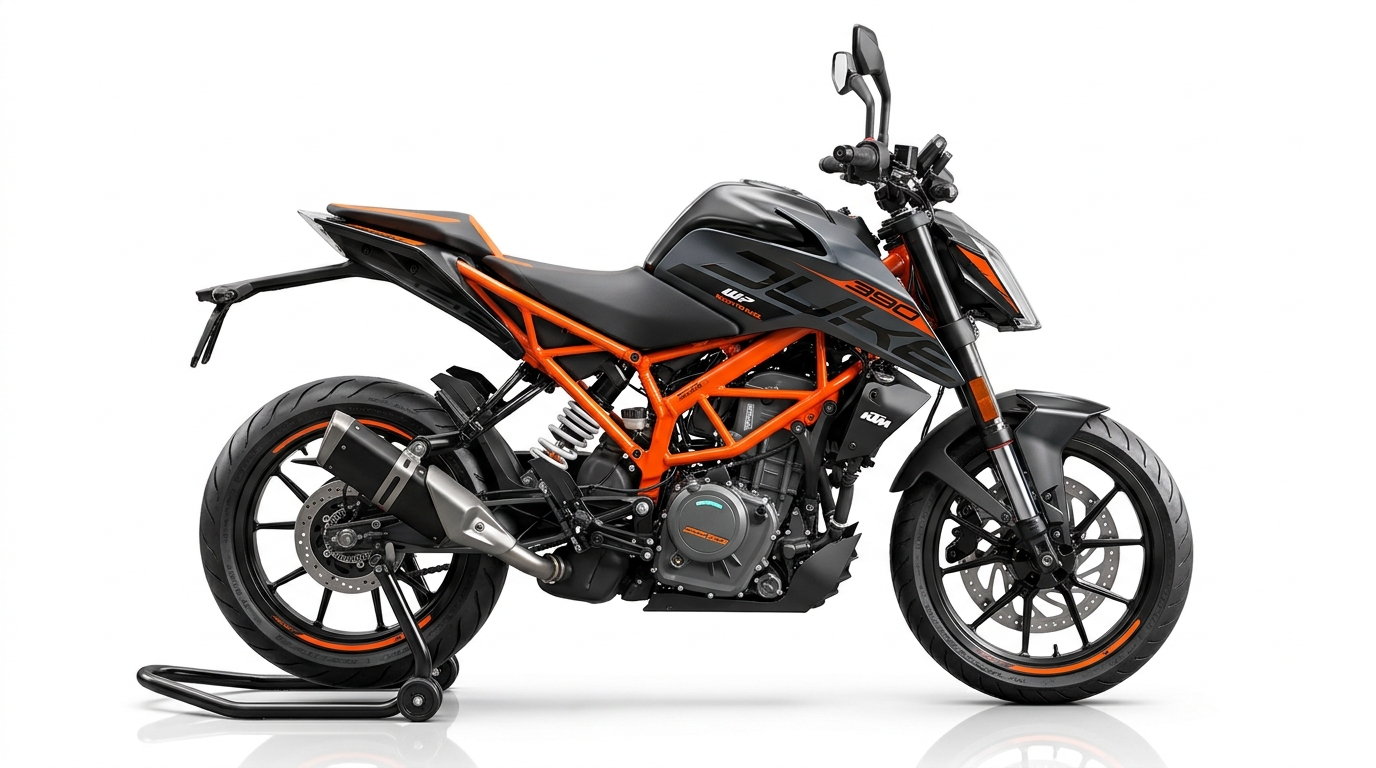
On our test track at Kari Motor Speedway, the KTM 200 Duke flexes its displacement advantage immediately. With 199.5cc producing 25 PS at 10,000 RPM and 19.3 Nm torque at 8,000 RPM, it sprints from 0 to 60 km/h in an explosive 3.4 seconds and hits 100 km/h in 9.2 seconds.
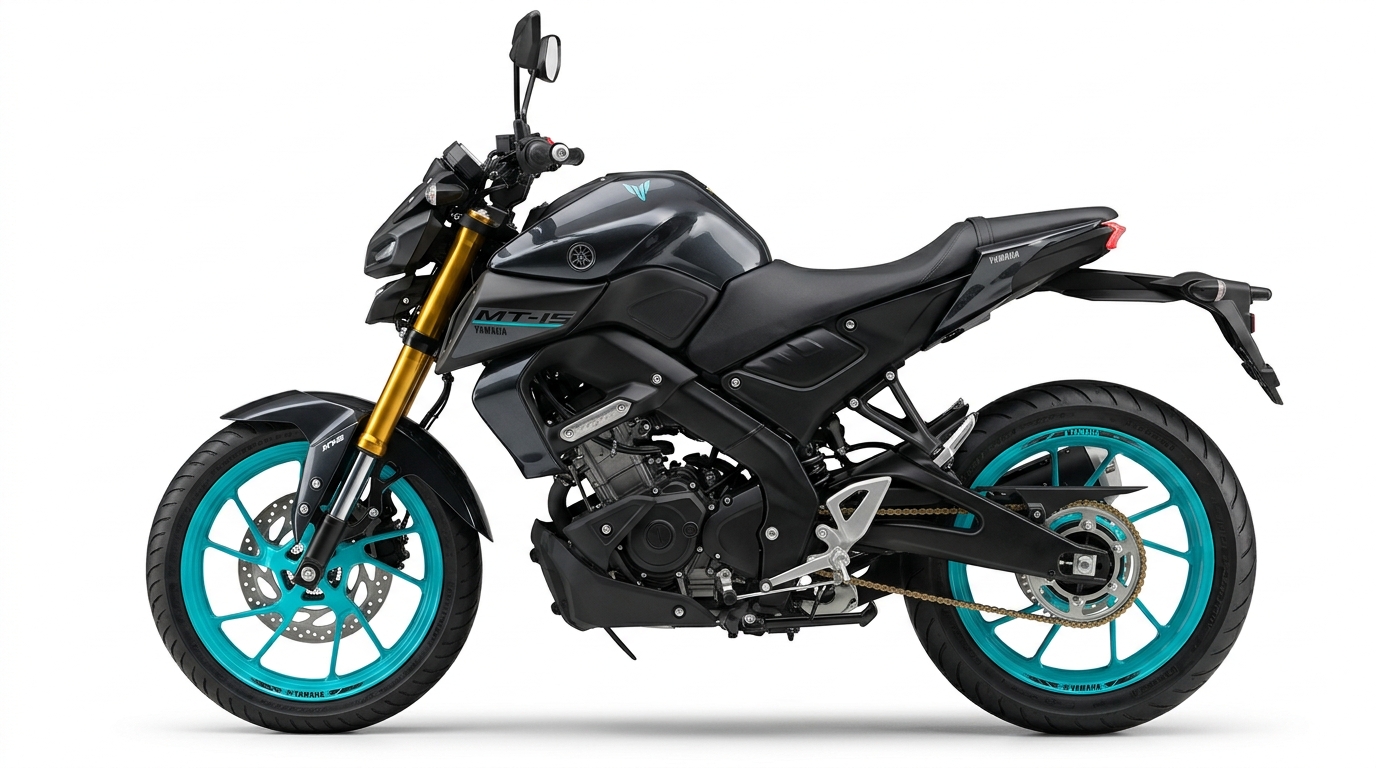
The MT-15 V2, despite giving away 44cc of displacement, produces a remarkable 18.4 PS at 10,000 RPM and 14.1 Nm at 7,500 RPM. What makes the Yamaha lethal is its kerb weight of just 141 kg—a massive 18 kg lighter than the 159 kg Duke. Thanks to VVA kicking in seamlessly at 7,400 RPM, the MT-15 pulls cleanly without any flat spots.
Handling, Corner Agility & Braking
Through high-speed esses and tight chicanes, the MT-15's 37mm inverted front fork and rigid aluminium swingarm deliver laser-precise front-end feedback. Changing line mid-corner requires minimal handlebar input.
The KTM 200 Duke counters with beefy 43mm WP APEX USD forks and dual-channel ABS backed by a supermoto mode. The Duke feels more planted under hard threshold braking into hairpin turns, though its stiffer suspension requires a more proactive riding style over uneven pavement.
Real-World City Commuting & Fuel Economy
In the brutal stop-and-go chaos of Delhi-NCR traffic, the MT-15 V2 shines supreme. Its assist-and-slipper clutch pulls with featherlight effort, and the heat management of the 155cc motor keeps rider legs completely comfortable. Over our 240 km standardized city test loop, the MT-15 delivered an exceptional 52.4 kmpl.
The 200 Duke's high-compression motor runs noticeably warmer in bumper-to-bumper jams, returning a respectable 34.6 kmpl in town and 38.2 kmpl on open expressways.
Side-by-Side Performance & Technical Specifications
| Metric / Attribute | Specification (Bike 1) | Specification (Bike 2 / Target) |
|---|---|---|
| Engine Displacement | 155 cc (Liquid-cooled, VVA) | 199.5 cc (Liquid-cooled, DOHC) |
| Max Power | 18.4 PS @ 10,000 RPM | 25.0 PS @ 10,000 RPM |
| Peak Torque | 14.1 Nm @ 7,500 RPM | 19.3 Nm @ 8,000 RPM |
| Kerb Weight | 141 kg (Ultra-light) | 159 kg |
| Seat Height | 810 mm | 822 mm |
| Real City Mileage | 50 - 54 kmpl | 33 - 36 kmpl |
| Ex-Showroom Price | ₹ 1,68,200 | ₹ 1,98,317 |
| Approx. 5-Yr Ownership | ₹ 1,84,000 | ₹ 2,42,000 |
BikersDunia Editorial Road Test Verdict
Yamaha MT-15 V2 for Daily Commute & Ownership Cost; KTM 200 Duke for Pure Weekend Adrenaline
If you prioritize blistering top-end thrust, a commanding aggressive upright stance, and weekend track aggression, the KTM 200 Duke justifies its ₹30,000 premium. However, for 90% of riders who commute daily and value exceptional 50+ kmpl fuel economy, bulletproof Japanese reliability, and effortless flickability, the Yamaha MT-15 V2 remains the smartest sub-200cc purchase in India.
Want to Test More Specs & Real On-Road Pricing?
Open our real-time comparison tool to inspect dynamic city on-road prices, engine power graphs, seat heights, and 5-year maintenance breakdowns.
Launch Interactive Comparison: MT-15 vs 200 Duke