








Best Performance & Sports Bikes — October 2026
High-octane machines engineered for track thrills and agile street riding
New & Featured Motorcycles
Compare India's highest-selling roadsters, commuters, and flagship launches
Top Scooters & Electric Two-Wheelers
Effortless urban mobility with generous under-seat storage and best-in-class mileage
Best Cruiser Bikes in India
Relaxed riding ergonomics, retro heritage, and long-distance touring prowess
Upcoming Bikes in 2026
Anticipated motorcycle launches arriving soon in Indian showrooms
Find Bikes by Your Budget
Filter two-wheelers by price category to find the ideal match for your wallet
Motorcycle News & Road Test Reports
Independent road tests, real-world mileage benchmarks, and upcoming launches from Indian motorcycling experts
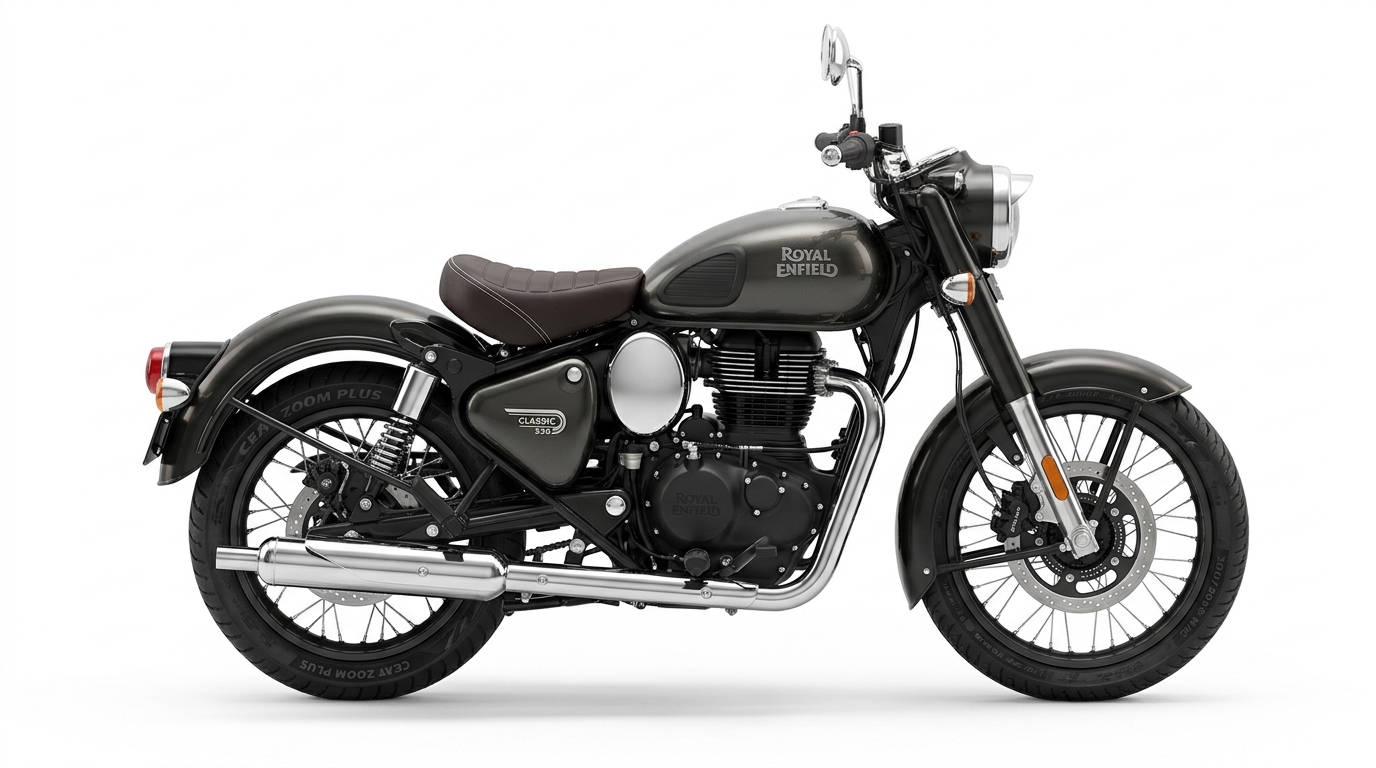
Royal Enfield Classic 650 Twin India Launch Confirmed for Late 2026
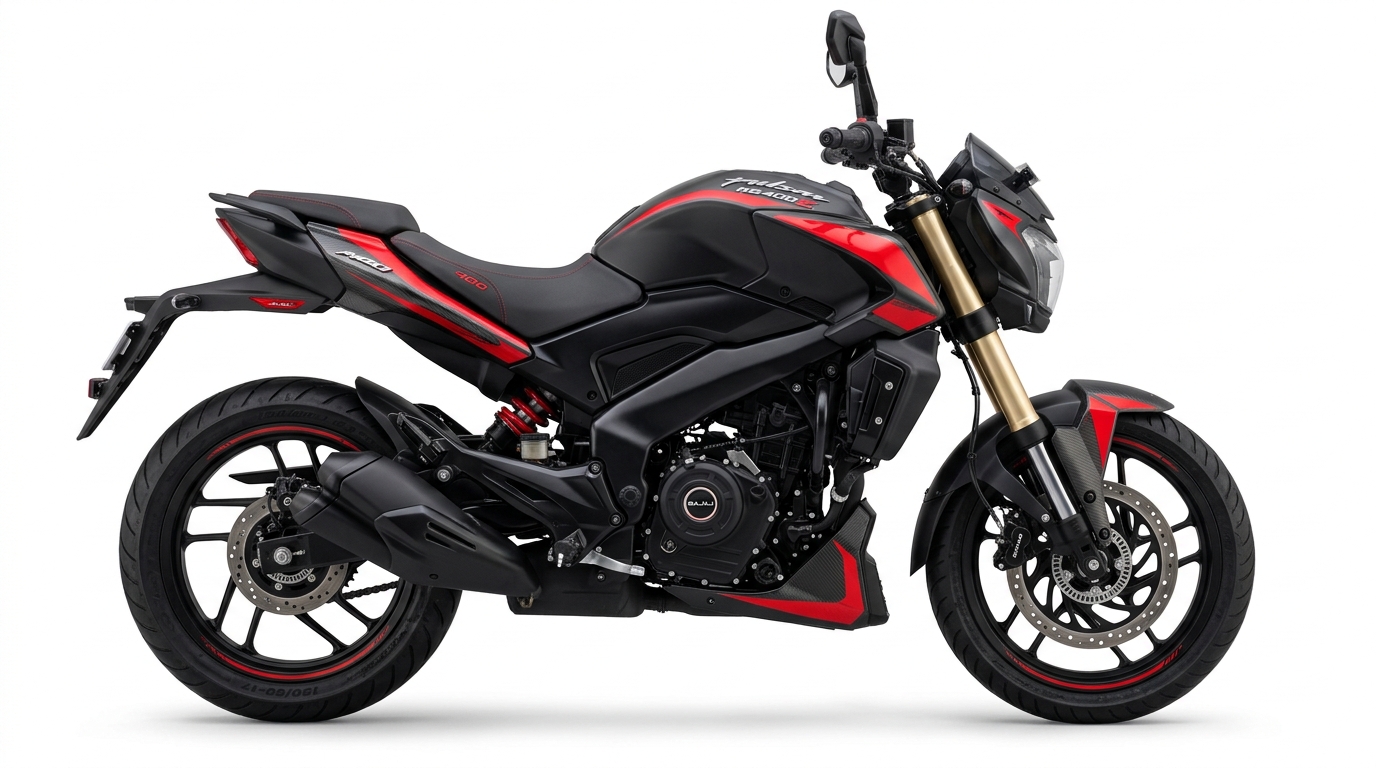
Bajaj Pulsar NS400Z: 5,000 km Real-World Road Test & Dyno Analysis
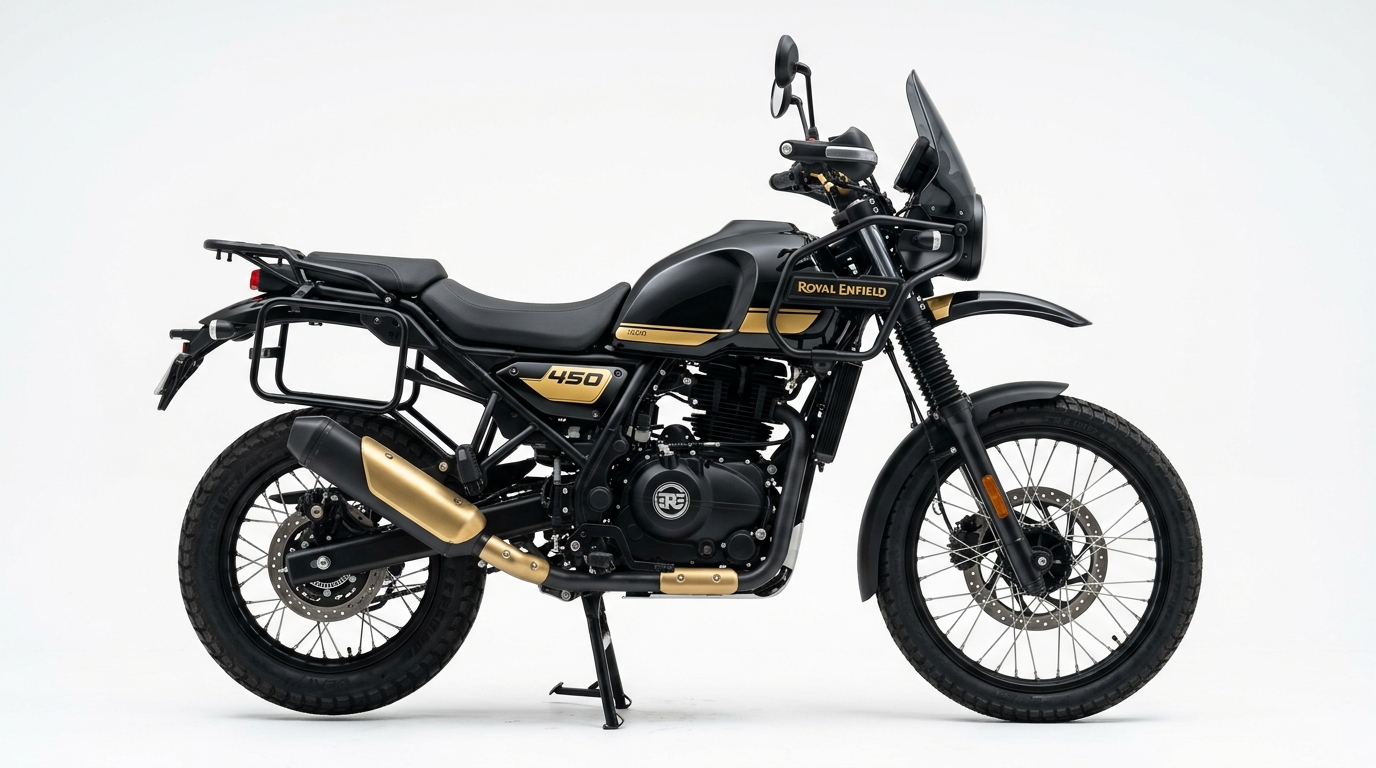
Himalayan 450 Tubeless Cross-Spoke Wheels Update: Full Off-Road Review
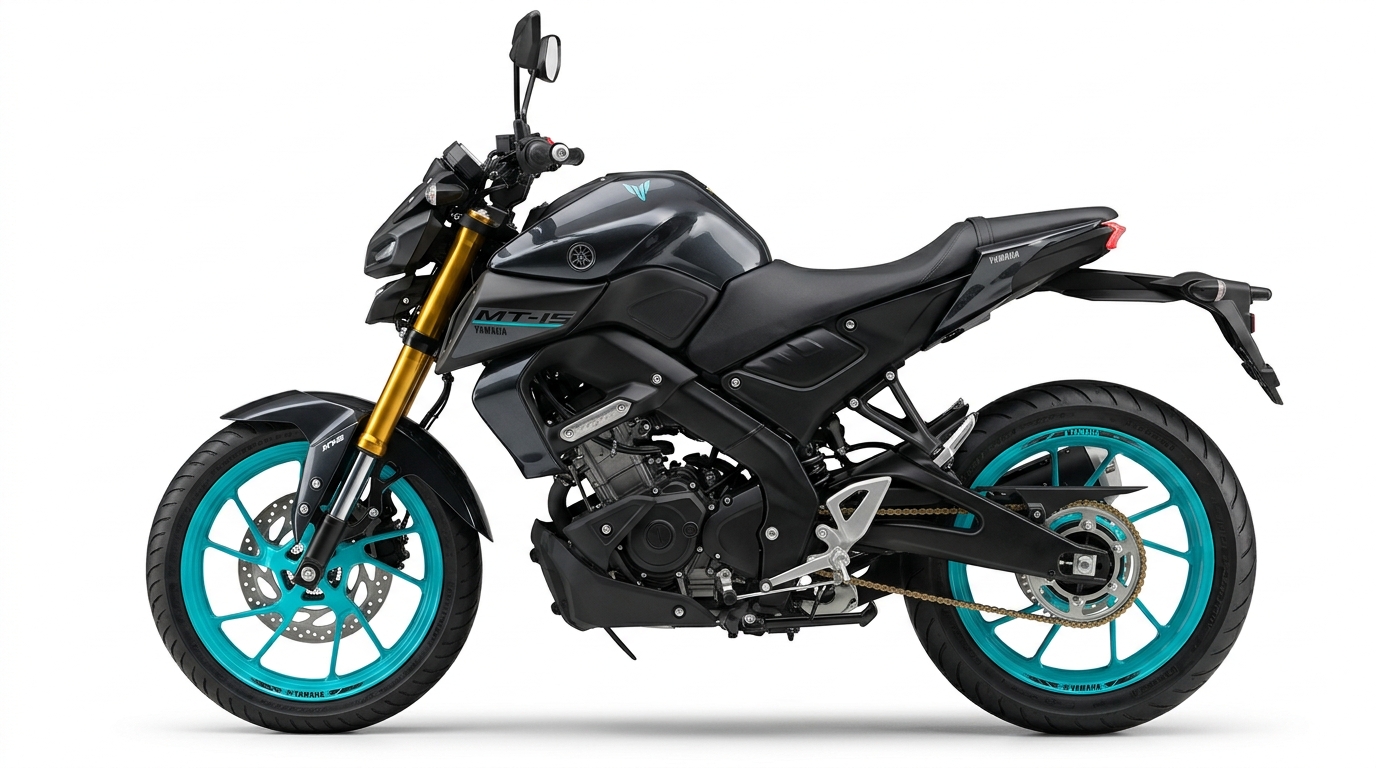
Yamaha MT-15 V2 vs KTM 200 Duke: Track Dynamics & Real City Commute Faceoff
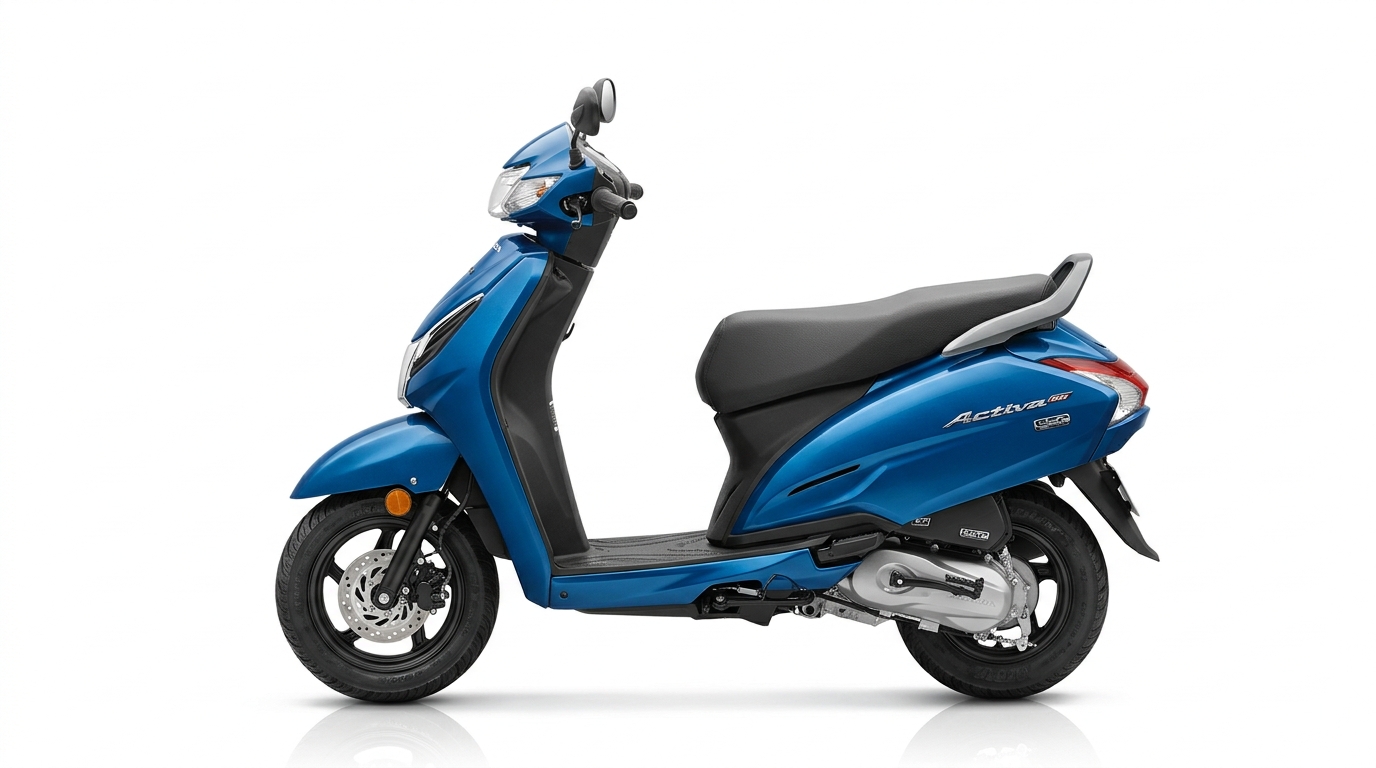
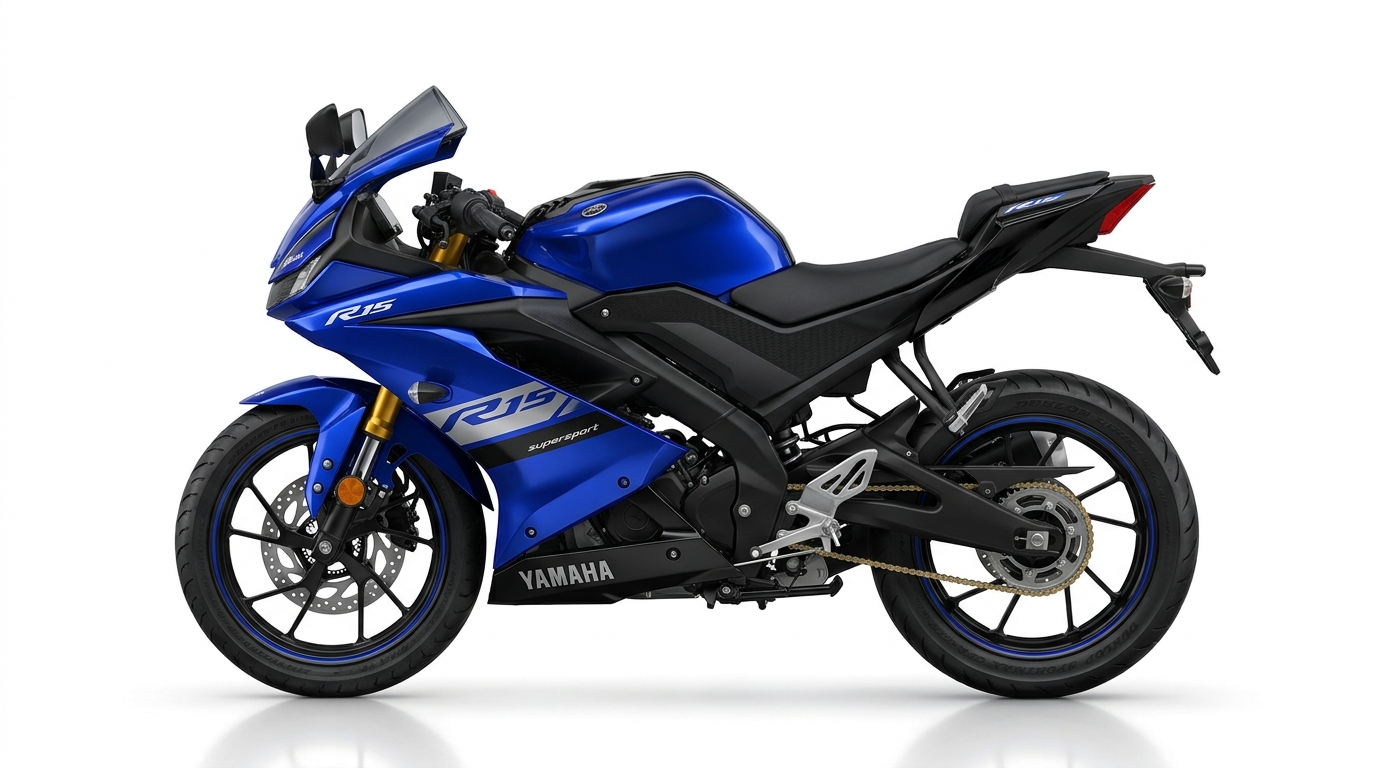
2026 Motorcycle & Scooter Buying Guide
Essential factors to consider before investing in your next two-wheeler purchase in India
1. Displacement & Riding Purpose
Choosing between 100cc commuters, 250cc streetfighters, and 450cc+ tourersFor daily city office runs, 110cc–125cc commuters offer unbeatable 60+ kmpl mileage and low maintenance. If you desire highway capability with weekend corner-carving, 200cc–250cc balances 35–42 kmpl with 25+ bhp. For long-distance Ladakh expeditions and two-up touring, 350cc–450cc torquey engines deliver relaxed cruising stamina.
2. Ex-Showroom vs True On-Road Price
Decoding RTO taxes, 5-year insurance, and dealer logistics chargesThe ex-showroom price is only the base cost of the motorcycle. The real on-road price includes State Road Tax (RTO: 6% to 14% varying by state), Mandatory 5-Year IRDAI Insurance (1-year comprehensive + 4-year third party), FASTag, registration fees, and optional extended warranty.
3. BS6 Phase-2, OBD-2 & E20 Compliance
Real-time diagnostic sensors and ethanol-blended fuel readinessAll two-wheelers sold in 2026 feature on-board diagnostics (OBD-2A/2B) that monitor catalytic converter efficiency and engine misfires in real time. Modern fuel systems are also fully tuned to withstand E20 fuel (20% ethanol blend), ensuring no fuel line degradation or power loss.
4. EV vs Petrol: 5-Year Cost of Ownership
Analyzing upfront battery costs against daily running expensesWhile high-speed electric scooters carry higher upfront acquisition costs, their running expense (₹0.25–₹0.35 per km) is roughly 1/6th of a petrol scooter (₹1.80–₹2.20 per km). Riders traveling over 35 km daily recoup the electric price premium within 24 to 30 months.
Frequently Asked Questions (FAQ)
BikersDunia dynamically checks state-level motor vehicle taxation brackets, regional registration fees, and standard 5-year IRDAI insurance premiums based on engine displacement and your selected city/state to give you the most accurate on-road estimate in India.
Single-channel ABS only modulates hydraulic pressure on the front wheel, meaning the rear wheel can still lock up and skid during emergency braking on wet or gravel roads. Dual-channel ABS manages wheel speed sensors on both wheels, preventing fish-tailing and significantly reducing stopping distances.
ARAI tests are conducted in closed laboratory conditions at constant speeds. Real-world urban mileage is typically 15% to 25% lower due to stop-and-go city traffic, pillion load, tyre pressures, and throttle aggressiveness.
Yes! BikersDunia's 'Compare Bikes' tool allows you to select and inspect up to 4 motorcycles side-by-side with full mechanical specifications, variant-wise pricing, mileage metrics, and expert road test verdicts.